Protect Your Peace

Observations, questions, and moments of clarity shaped by experience thoughts that come from slowing down and paying attention.

There’s something about a small town that makes you slow down a little.
This morning, I took a drive to the Village of Clinton. No real agenda. No rushing. Just breakfast, a little shopping, a visit with a friend, and some time to myself.
And honestly? I loved it.
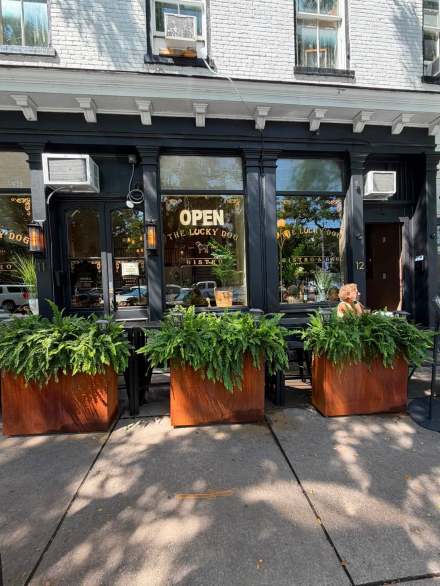
I started my morning at The Lucky Dog Bistro, a really pretty little spot with beautiful woodwork and a relaxed, laid-back atmosphere. It’s also pet-friendly, which I loved. The service was wonderful, and it was the kind of place where you don’t feel like you need to hurry through breakfast and get on with your day.
I ordered The Morning After, scrambled eggs, sausage, bacon, sourdough toast and home fries. Breakfast itself was simple, but sometimes the food isn’t the entire experience. I enjoyed sitting there, taking in the atmosphere and starting my morning somewhere different.
After breakfast, I wandered through some of the local shops.
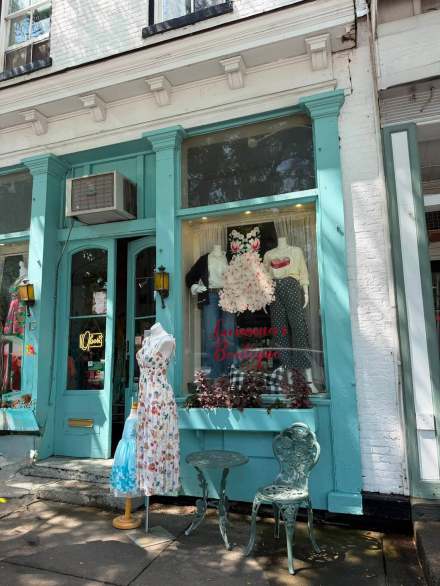
Of course, I managed to find my way into Lucianna’s Boutique, where I bought a few Christmas gifts.
Yes. Christmas gifts.
In August.
I know. 😂
But every year I tell myself I’m going to start earlier instead of waiting until the holidays are right on top of me, so maybe this year I’m actually going to listen to myself.
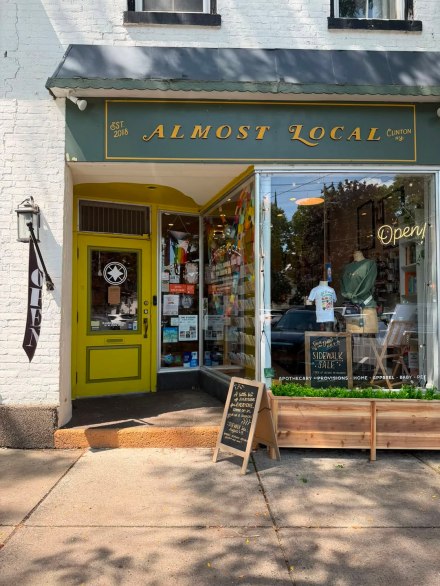
I also stopped at Almost Local, which was such a fun shop to browse. There were candles, pieces from local artists, little gifts and trinkets, and all sorts of things you don’t necessarily find in the big stores. Those are the shops I love because you never really know what you’re going to find when you walk through the door.
And that got me thinking about something.
We hear “shop local” all the time, but it’s easy to forget what that actually means.
When we spend money at a small local business, we’re supporting someone’s idea, someone’s livelihood and, ultimately, our own community. Even stopping in, looking around, telling someone about a place you discovered, or sharing their business on social media can make a difference.
So maybe this week is the perfect excuse to visit a local shop you’ve never been in before, grab breakfast or coffee somewhere different, or pick up a gift from a small business instead of automatically heading to a big-box store.
But there was another part of today that I enjoyed just as much.
I went by myself.
I’ve learned that I really enjoy doing things alone sometimes.
There is something freeing about getting in the car and going wherever you feel like going. You don’t have to ask anyone what they want to do next. You don’t have to worry about whether someone else is bored, ready to leave, or wants to go somewhere different.
You just…go.
You wander.
You stop when something catches your eye.
You sit a little longer if you feel like it.
Being alone and being lonely are two very different things.
Sometimes spending a few hours by yourself is exactly what you need to remember how much you actually enjoy your own company.
Today wasn’t anything extravagant. It was breakfast in a little village, a few local shops, a couple of Christmas presents ridiculously early, and a Saturday morning spent mostly on my own.
Simple.
And maybe that’s exactly why I enjoyed it so much.
Life, observed honestly.

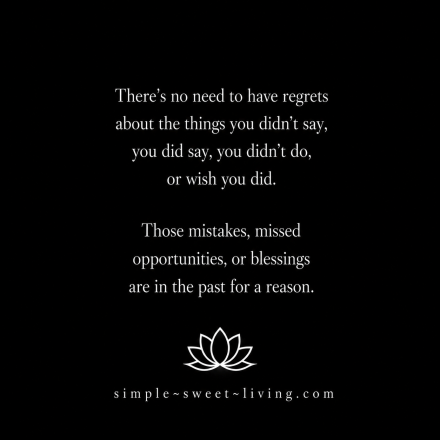
There’s no need to have regrets about the things you didn’t say, you did say, you didn’t do, or wish you did. They call it the past for a reason. Those mistakes, missed opportunities, or blessings are in the past for a reason.
Now is the time to get it right. Say what you feel and say it with confidence. But, on the flip side, are those words even worth saying?
Before you say it, think about what your intentions are and what it is you are looking to accomplish.

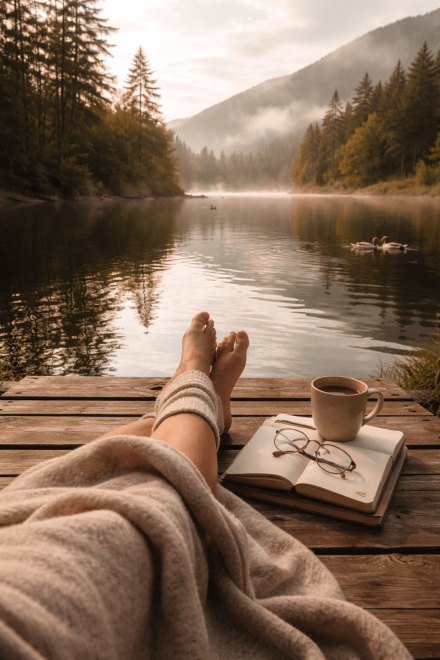
There’s something quietly beautiful that happens in your fifties especially around 55 if you let it. A kind of clarity settles in. The noise fades. And for many of us, life finally begins to feel lighter.
You stop worrying so much about other people’s judgments. You don’t replay conversations the way you once did. Embarrassment loosens its grip. At some point, a simple truth clicks into place: most people aren’t paying attention to how you live and if they are, it’s often because they wish they had the courage to live more freely themselves.
Peace starts to feel like the ultimate luxury. Home becomes a sanctuary. Your bed, your routines, your dog, the quiet these things matter more than appearances ever did. You realize you don’t need more… you need less.
This is also the decade when many people finally learn to let go. You recognize when relationships carry ill intentions through words, actions, or patterns and you walk away without guilt. You stop taking things personally, because emotionally healthy people don’t invest their energy in trying to hurt others. And those who do? You wish them well. You pray for them. Then you choose distance.
So much comes into focus in your fifties. You step outside your comfort zone without fear. You simplify your space, your finances, your emotional world. You stop living above your means and start living within your values.
You no longer chase people to like you or love you. Real connection doesn’t need pursuit. And there’s a quiet confidence in knowing that the right partner the right people will fit your energy naturally, without force or performance.
Most of all, you learn how to speak honestly. Calmly. Directly. If something involves you, you address it with clarity, not defensiveness. Because by now, you understand that protecting your peace isn’t selfish it’s necessary.
Your fifties teach you this: letting go of nonsense isn’t loss it’s freedom.
It’s the season where you stop living for approval and start living with intention.
And for many of us, that realization feels like coming home to ourselves for the first time and living in the moment.
And the most surprising part of all? I don’t feel my age I feel younger than I ever did. It’s crazy! Not in a chasing youth kind of way, but in a grounded, settled way. I feel lighter and freer. There’s an ease now that didn’t exist before now, when everything felt rushed, heavy, or uncertain. This kind of feeling comes from self-acceptance, from knowing who you are and no longer apologizing for it. I never thought I would reach this point in my life, but I did and so could you at any age actually.

 Simple-Sweet-Living.com